04 November 2026
The Most Iconic Entrees at a Southern Restaurant
Presented by @josuepswv351

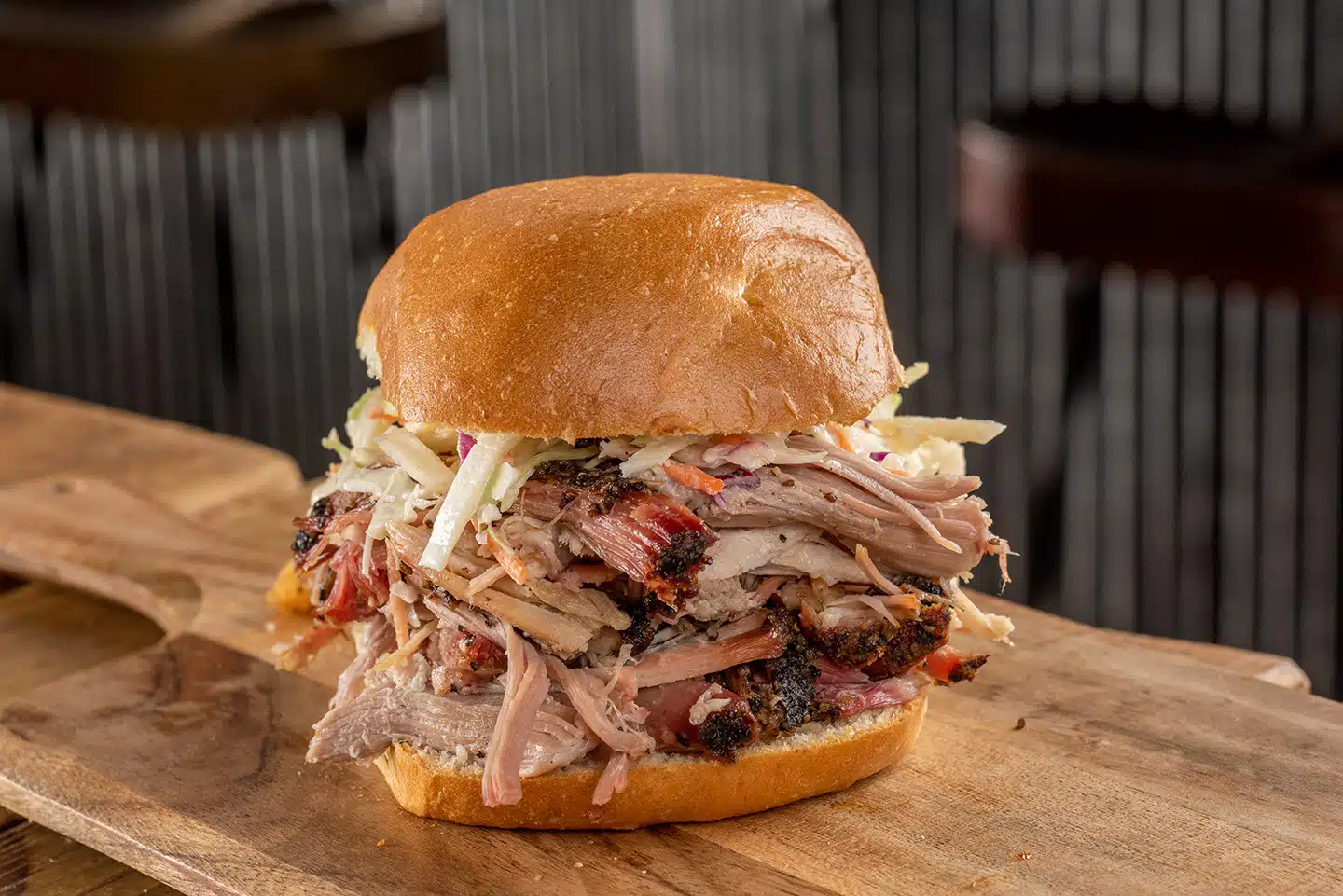
Step into a good Southern restaurant and the entree menu tells you almost everything you need to know. You can usually spot the house standards in a minute or two. There is the fried chicken that every table seems to order, a braised or smothered dish that speaks to patience in the kitchen, seafood that reflects the Gulf or the Atlantic coast, and at least one plate that looks simple until you taste the depth behind it. These are not just bestsellers. They are the dishes that carry the memory of church suppers, roadside cafes, family reunions, fish camps, and Sunday dinners where the best pan on the stove was never allowed to sit empty for long.
The iconic entrees at a Southern restaurant matter because they reveal a style of cooking built on thrift, skill, and hospitality. Southern food has never been one thing. It draws from African American culinary traditions, Indigenous ingredients, British and French techniques, and the pantry logic of rural kitchens that learned how to make a little go a long way. At its best, the region’s food is generous without being showy. It values texture, seasoning, and timing. It knows that comfort does not mean carelessness.
What follows are the entrees that define a strong Southern menu, not because they are trendy, but because they continue to earn their place.
Fried chicken, the standard every kitchen is judged by
If a Southern restaurant serves fried chicken, guests notice it before anything else. They look at the crust, the color, the hold time, the seasoning, and whether the meat stays juicy down to the bone. Plenty of places can produce a decent first bite. Far fewer can deliver a whole plate where the breast is moist, the thigh richly seasoned, and the crust stays crisp long enough to survive the walk from kitchen to table.
Really memorable fried chicken begins well before the fryer. Some kitchens swear by a buttermilk soak, others by a seasoned brine, and some by a dry overnight cure that tightens the skin and deepens the flavor. All three can work. The difference is in execution. Buttermilk gives tenderness and tang, but if the coating is too wet it can fry up heavy. A brine seasons thoroughly, but if left too long it can push the meat toward a cured texture. Dry curing often yields the best crust, though it requires discipline and cold storage space that smaller restaurants do not always have in abundance.
Then there is the flour. This is where many otherwise capable kitchens lose the plot. Underseasoned dredge produces bland chicken no matter how good the meat is. Overspiced flour can scorch in the oil and turn bitter. The best versions hit a narrow middle ground. Salt leads, black pepper follows, paprika may deepen color, and a touch of cayenne brings life without taking over. The crust should have ridges and crags, not a flat shell. You want audible crunch, then steam from the chicken, then the gentle pull of well cooked meat.
At a serious Southern restaurant, fried chicken is often the dish that reveals how the kitchen handles pressure. It has to be cooked long enough to be safe and juicy, but not so long that the crust darkens before the center finishes. Fresh batches matter. Heat management matters. Resting matters. Even the plate setup matters, because stacking pieces too soon traps steam and softens the coating. These are small decisions, but the plate records every one of them.
Shrimp and grits, where restraint separates good from forgettable
Shrimp and grits has become one of the most recognizable dishes associated with Southern cooking, but it is also one of the most abused. Menus across the country treat it like a blank canvas for excess, piling on cream, cheese, bacon, sausage, hot sauce, tomatoes, and half the pantry until the shrimp become an afterthought. A great version is richer in judgment than in ingredients.
The grits come first. Texture decides the dish. Proper grits should be spoonable and soft, not gluey, not runny, and never grainy in a chalky way. Stone ground grits take longer and require attention, but they repay the effort with corn flavor that instant products simply cannot match. The liquid matters too. Water keeps the corn pure. Stock adds body. Cream can add luxury, but too much flattens the grain and turns the base into a heavy porridge. Cheese is similar. A little sharp cheddar, Parmesan, or smoked gouda can be lovely. A lot can bury the point.
The shrimp should taste like shrimp. That sounds obvious, yet it often gets lost. Overcooked shrimp turn rubbery in a matter of minutes. Undersalted shrimp disappear into the grits. In coastal areas, many cooks build flavor with a quick pan sauce from bacon drippings, scallions, garlic, lemon, and a splash of stock. Inland, andouille or tasso often enters the picture, bringing smoke and spice. Both approaches can be excellent, but each needs balance. When every element shouts, the dish gets muddy.
One of the best plates of shrimp and grits I have ever had arrived looking almost plain. The grits were loose and buttery, the shrimp lightly bronzed, and the sauce no more than a glossy film carrying bits of scallion and pan drippings. Nothing about it looked engineered for a photograph. It tasted of sweet corn, brine, smoke, and black pepper, which is exactly why it was unforgettable.
Smothered pork chops and the power of gravy
For diners who grew up in the South, smothered pork chops often trigger a very specific kind of hunger. This is not novelty food. It is supper food. The attraction lies in contrast, browned meat with some chew at the edge, softened onion, and gravy deep enough to pull the whole plate together. Done right, it feels straightforward. Done poorly, it turns into a dry chop floating in paste.
Pork chops are tricky in restaurants because they punish overcooking fast. Thin chops go from juicy to tough in a blink. Thick chops offer more forgiveness, but they take longer and can bottleneck the line during a rush. That is why many smart kitchens choose a medium thickness and rely on a hard sear before finishing gently. The gravy usually begins with the fond left in the pan, plus onions cooked down until sweet and translucent. A little flour creates body. Stock lifts the browned bits. Black pepper, garlic, and perhaps a dash of Worcestershire or hot sauce sharpen the edges.
The best smothered pork chops do not drown the meat. They coat it. You should still see the chop, and the crust from the initial sear should remain at least partly intact under the gravy. Pairings matter here. Rice catches the sauce beautifully. Mashed potatoes make the dish more overtly comforting. Butter beans or collards on the side keep the richness from becoming monotone.
This is the kind of entree that tells you whether a Southern restaurant understands the dignity of humble cooking. A chop is not an expensive cut. Gravy is not a luxurious idea. Yet when both are handled with care, the result can outshine pricier plates.
Chicken fried steak, crisp coating and peppered cream
Not every Southern menu includes chicken fried steak, but where it appears, it often has a loyal following. The dish speaks to a particular branch of Southern and Texan cooking, one shaped by cattle country, flour dredges, cast iron, and a deep respect for cream gravy. It is hearty, unapologetic, and very easy to get wrong.
The steak is usually a tenderized cut of beef, coated and fried much like chicken. That means the same rules apply. Season the meat, season the flour, maintain clean oil, and fry with enough heat to set the crust before it absorbs grease. The ideal result is a golden shell that fractures under the fork, giving way to beef that still tastes like beef rather than only breading.
Then comes the gravy, usually white, peppery, and made from drippings, flour, and milk. It should have enough body to cling to the steak, but not so much thickness that it sits on top like spackle. Black pepper needs to be obvious. Salt needs to be measured carefully, especially if the steak and flour were already seasoned aggressively. This is one of those entrees where proportion matters more than flourish. Too much gravy and the crust goes soft. Too little and the plate feels dry and incomplete.
A lot of diners assume chicken fried steak is automatically heavy. It can be, but the best versions are surprisingly lively because pepper and crispness cut through the richness. A bright side, maybe green beans with onion or a vinegary slaw, helps even more.
Catfish, cornmeal, and the Southern table near water
In fish camps, casual diners, and long standing Southern restaurants across the region, catfish remains one of the purest expressions of local taste. It is a fish that rewards straightforward treatment. A light dredge, hot oil, and proper seasoning are often enough. What matters is freshness, clean flavor, and the confidence not to overcomplicate it.
Catfish usually wears cornmeal better than heavy batter. The cornmeal can be fine or slightly coarse depending on the house style, often mixed with flour for a lighter finish. Seasoning tends toward salt, pepper, paprika, and sometimes cayenne. The fish itself should be mild and sweet, not muddy. Farm raised catfish has helped make consistency easier for restaurants, though some diners still prefer wild fish when they can get it from trusted waters.
Frying catfish requires a slightly different touch than frying chicken. The fillets are more delicate, and the coating can shed if the oil is too cool or the fish too wet when dredged. You want the exterior crisp and the interior flaky, with enough residual moisture that each bite stays tender. Cornmeal gives the dish its identity. It brings earthy crunch and a flavor that instantly reads Southern.
A catfish plate also demonstrates how much a restaurant values its sides, because this entree rarely stands alone. Hush puppies, slaw, fries, baked beans, collards, or mac and cheese often complete the experience. When these supporting pieces are neglected, the whole plate feels ordinary. When they are done well, catfish becomes something close to a regional ritual.
Country fried favorites, from meatloaf to pot roast
Some of the most iconic entrees in a Southern restaurant are not flashy at all. They are the plates that appear under headings like house specialties or supper classics, and they tend to sell steadily year round. Meatloaf with tomato glaze, pot roast braised until spoon tender, and turkey with dressing all belong in this category. They may not generate the same buzz as fried chicken, but they often create the deepest loyalty.
Take meatloaf. In the wrong hands, it is dense, gray, and forgettable. In a practiced kitchen, it becomes a lesson in moisture control and seasoning. Ground beef alone can work, but many cooks blend it with pork for richness. Onion, breadcrumbs or crackers, egg, and milk create structure without turning the loaf gummy. Ketchup based glaze is common, though some restaurants prefer tomato gravy or a sweet tangy sauce built with brown sugar and vinegar. Sliced thick, it should hold together cleanly while staying tender.
Pot roast operates on another timeline. This is slow food in the most literal sense. Chuck roast needs hours for collagen to break down and enrich the braising liquid. Carrots, onions, and celery usually form the base. Tomato paste or wine may deepen the broth, though many Southern kitchens keep the flavor profile simpler and let beef and stock carry the load. Good pot roast tastes rounded and savory, with vegetables that have given up their flavor without disintegrating into nothing.
These are the entrees that older regulars often order without opening the menu. That kind of confidence is earned over years. A Southern restaurant that gets these dishes right usually has a kitchen that respects repetition and consistency, two virtues that never make headlines but keep dining rooms full.
Lowcountry and Gulf Coast signatures
Regional Southern cooking becomes especially vivid once seafood enters the conversation. Along the South Carolina and Georgia coast, a Southern restaurant may lean toward Lowcountry staples, with shrimp, crab, rice, and benne showing up in ways that reflect marshland and port city history. Along the Gulf Coast, the menu might carry stronger Cajun and Creole influence, with blackened fish, crawfish, étouffée, or seafood over rice.
One dish that often deserves more attention is redfish or grouper prepared simply but boldly, pan seared, blackened, or topped with a restrained crab sauce. This style of entree reveals an important truth about Southern cuisine. It is not only about frying and gravy. It can also be sharp, herbaceous, bright with citrus, and deeply shaped by the day’s catch. The seasoning profile in these regions often runs more assertive, with paprika, thyme, garlic, cayenne, and onion powder used in combinations that feel familiar from one kitchen to the next, yet still distinct.
Crab cakes at a coastal Southern restaurant offer another test of integrity. Too much filler and they read as thrift. Too little binding and they collapse. The strongest versions let the crab lead, with enough support to hold shape and just enough acid in the accompanying sauce to cut the sweetness of the meat. Not every menu gets this right, especially when crab prices climb, but when it works, it can be one of the most elegant entrees in the house.
Why the sides still shape the entree
Southern entrees never exist in isolation. They are part of a plate culture, and that changes how they are judged. Fried chicken is one thing on its own. Fried chicken with collards cooked low and slow, creamy mashed potatoes, and a biscuit that tastes of flour and butter rather than baking mix becomes a full argument for the kitchen’s values.
This is why iconic entrees at a Southern restaurant depend so heavily on what surrounds them. Mac and cheese should not be dry. Black eyed peas should have broth with character. Green beans should taste of more than steam. Rice should be properly cooked, not an afterthought. Even cornbread becomes a statement, whether it leans savory in a cast iron skillet or slightly sweet in a style more common in some parts of the South.
The best restaurants know how to make the plate feel complete without making it feel overloaded. Rich entree, bright side. Crisp protein, soft starch. Peppery gravy, something green to check it. There is craft in that kind of balance, even if it looks effortless when it reaches the table.
What separates an iconic dish from a merely popular one
Popularity is easy to measure. Icon status is not. Some dishes sell because they are familiar, large, or indulgent. Those things have their place. But an iconic Southern entree earns staying power for deeper reasons. It satisfies on the first visit, then pulls people back months later. It tastes of place. It reflects technique more than gimmick. And it can survive scrutiny from people who grew up eating a demanding version of the same dish at home.
Consistency is part of that equation. Diners forgive experimentation more readily with appetizers than with sacred mains. If the fried chicken was superb three visits ago and mediocre today, trust erodes fast. The same goes for shrimp and grits, catfish, or smothered chops. Southern Southern restaurant Walter's BBQ Southern Kitchen comfort food may look forgiving, but it creates exacting expectations because so many guests carry a personal benchmark into the dining room.
There is also an emotional layer that should not be dismissed. A truly iconic entree often reaches beyond taste into recognition. It reminds someone of a grandmother’s table, a road trip lunch in Mississippi, a Friday fish fry in Alabama, or a Sunday plate in South Carolina where the gravy soaked into the rice just so. Restaurants cannot manufacture that connection out of thin air, but they can honor it with care.
The staying power of the Southern restaurant classic
The enduring appeal of these entrees comes down to a simple fact. They are built to feed both appetite and memory. Fried chicken gives crunch, salt, and comfort in one gesture. Shrimp and grits offers a softer, more coastal kind of satisfaction. Smothered pork chops and pot roast bring warmth and patience to the table. Catfish delivers regional identity through cornmeal and hot oil. Chicken fried steak lands with the confidence of a dish that has never needed refinement to prove its worth.
A great Southern restaurant does not have to serve every classic. In fact, many of the strongest menus are selective. They choose the dishes the kitchen can execute at a high level and repeat them with discipline. That matters more than a long lineup of familiar names. One excellent fried chicken plate is worth more than five average comfort food standards.
When these entrees are handled with respect, they do more than satisfy a craving. They preserve technique, reflect local history, and keep regional foodways alive in a form people still want to eat. That is why they remain iconic. Not because they are old, and not because they are nostalgic, but because they continue to deliver exactly what a Southern restaurant should promise: generosity, flavor, and a sense that the kitchen knows who it is.
Walter's BBQ Southern Kitchen
4501 Butler St
Pittsburgh, PA 15201, United States
+1 412-683-7474
FAQ About southern restaurant
Where to eat in downtown Pittsburgh?
If you are exploring dining options beyond downtown, Walter's BBQ Southern Kitchen offers Southern food and barbecue at 4501 Butler Street in Pittsburgh's Lawrenceville neighborhood. It is outside downtown, so allow travel time when planning your visit.
What is a must eat in Pittsburgh?
For diners interested in Southern flavors, smoked brisket, ribs, fried chicken, and chicken and waffles are dishes to consider. Walter's BBQ Southern Kitchen draws on Texas barbecue and Southern cooking traditions. Check the current menu for the dishes available during your visit.
What are some of Pittsburgh's unique restaurants?
Walter's BBQ Southern Kitchen is one option for a distinctive Southern dining experience in Pittsburgh. Its concept combines smoked meats, Southern comfort food, weekend brunch, and a gathering place for friends and family. The restaurant is located on Butler Street in Lawrenceville.