04 November 2026
10 Reasons to Visit a Southern Restaurant This Weekend
Presented by @josuepswv351
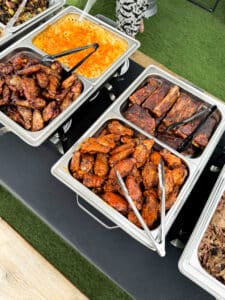
Weekend dining has its own rhythm. People linger longer, order dessert when they normally would not, and pay closer attention to whether a meal actually feels worth the time and money. That is exactly why a Southern restaurant makes such a strong case for your next reservation. Southern food, at its best, is not rushed food. It is food built on patience, technique, and hospitality, and those three things tend to show especially well when you have the time to enjoy them.
A good Southern restaurant offers more than comfort. It delivers texture, memory, craft, and a sense of place. You taste the difference between gravy made from pan drippings and gravy made from a packet. You notice whether the biscuit has that delicate layered pull that only comes from cold fat and careful handling. You can tell when the greens were cooked long enough to turn silky but not so long that they lost all structure. These are small distinctions, but they separate a restaurant meal you forget by Tuesday from one you talk about all month.
If you have been debating where to eat this weekend, here are ten reasons a Southern table deserves serious consideration.
The food is built for pleasure, not just convenience
Some cuisines shine brightest when you need speed. Southern cooking is different. It rewards appetite, time, and attention. The dishes that define the region, fried chicken, shrimp and grits, smothered pork chops, catfish, cornbread, banana pudding, were not invented to be efficient. They were designed to satisfy.
That matters more than people sometimes admit. Many restaurants today serve food that looks sharp, lands fast, and leaves little impression beyond the bill. A Southern restaurant tends to aim for something fuller. There is aroma before the first bite, heat from the skillet or fryer, a contrast between crisp and tender, and often a richness that feels unapologetic. If you spent the week eating at your desk or grabbing something forgettable between errands, that change in tone can be reason enough.
I have seen diners walk in saying they only want a light bite, then pause when a neighboring table receives fried green tomatoes or a plate of ribs with baked mac and cheese. Southern food has that effect. It does not merely feed you. It invites you to enjoy yourself.
Hospitality is usually part of the meal
There is a practical reason people return to the same Southern restaurant over and over, even when trendier spots open nearby. The service often feels more personal. Not universally, of course, because every dining room is only as good as the people working that shift, but Southern dining culture has long treated hospitality as part of the craft rather than a side note.
That can show up in small ways. A server remembers how you like your tea. Someone checks whether you want extra hot sauce before you ask. The kitchen splits biscuits for the table without making it feel transactional. If you are dining with older relatives, children, or out of town guests, those details matter. They take pressure off the table and make the whole outing smoother.
Professional hospitality is easy to underestimate until you have too little of it. A room can be beautiful and the menu can be polished, but if the meal feels cold in spirit, people notice. Southern restaurants often understand that warmth is not a gimmick. It is part of what guests are paying for.
Biscuits alone can justify the trip
There are few restaurant foods more revealing than a biscuit. It looks simple, but simplicity is where technique gets exposed. A proper biscuit should be tall enough to pull apart, tender without crumbling into dust, and rich enough to stand on its own before butter or jam ever touches it. That sounds straightforward. It is not.
Weekend service is often the best time to order them because the kitchen is moving with confidence and the turnover is high. Fresh biscuit service, especially during brunch, can be one of the clearest signs that a Southern kitchen is serious about fundamentals. If the biscuits are excellent, there is a good chance the rest of the menu has received similar care.
The beauty of the biscuit is also its range. It can arrive beside fried chicken, under sausage gravy, with country ham, or simply with cane syrup and butter. In each form, it does a different job. It can anchor a heavy plate, soften salty meat, or become dessert in disguise. Few restaurant staples work that hard.
The weekend is the right time for slow cooked specialties
A weekday menu often has to cater to pace. Weekends let kitchens showcase dishes that make more sense when guests are willing to settle in. Southern cooking benefits from that. Long braises, smoked meats, stewed beans, collard greens cooked with smoked turkey or pork, and seafood dishes that require timing rather than speed all land better when no one is checking the clock every ten minutes.
This is especially true at independent restaurants where the chef or pitmaster is tied closely to the product. Smoked brisket or pulled pork is not the result of a quick lunch rush decision. Someone started that work many hours earlier. A pot of gumbo did not become gumbo in twenty minutes. Even seemingly modest sides, black eyed peas, cabbage, sweet potatoes, field peas, often come from careful seasoning and slow heat.
If you want food with a visible labor cost, in the best sense of the phrase, a Southern restaurant gives you access to exactly that. It is one of the few dining experiences where patience is obvious on the plate.
You get regional variety, not one-note comfort food
One of the biggest misconceptions about Southern food is that it is all the same. People reduce it to a stereotype of fried everything, and in doing so miss how broad the tradition really is. A Southern restaurant may lean coastal, Appalachian, Creole, Lowcountry, Texas-adjacent, or deeply rooted in the Black foodways that shaped much of what people now call classic Southern cuisine. Those are not minor differences. They affect ingredients, seasoning, texture, and even the pace of the meal.
A Lowcountry-inspired menu might highlight shrimp, crab rice, okra, and benne seeds. A place with Mississippi or Alabama influences might focus on catfish, greens, cornbread, and barbecue. A Louisiana-leaning kitchen may bring in étouffée, red beans and rice, and layered spice profiles that feel different from the vinegar tang of the Carolinas. Even desserts vary more than outsiders expect, from chess pie to peach cobbler to bread pudding with whiskey sauce.
That variety makes a Southern restaurant a smart choice for mixed groups. People who want seafood can often find it. So can the person craving a vegetable plate, the diner who wants smoked meat, and the one who would happily build a meal around pimento cheese and deviled eggs. It is comfort food, yes, but comfort food with range.
Few cuisines do side dishes better
If you judge restaurants by their sides, and plenty of experienced diners do, Southern cooking has a strong advantage. In many places, sides are filler. In a good Southern restaurant, they carry history and identity. Mac and cheese can be custardy and baked or creamier and stove-finished. Greens can be peppery, smoky, or edged with vinegar. Cornbread may be sweet, savory, cakey, or skillet crisp depending on the house style and regional influence.
This matters because side dishes often reveal whether a kitchen understands balance. Rich entrées need contrast. Fried chicken becomes better with slaw or greens nearby. Barbecue wants baked beans or potato salad to round out smoke and salt. Even something as simple as butter beans can calm a heavily seasoned plate and make the meal feel complete rather than excessive.
I often tell people that if they are trying a Southern restaurant for the first time, they should not spend all their attention on the main course. Watch the sides. If the kitchen treats them seriously, the restaurant usually has depth.
Southern desserts still know how to finish a meal
A lot of modern restaurants treat dessert like an obligation. Southern restaurants often treat it like a point of pride. That distinction is not small. The best endings in Southern cooking are generous, familiar, and just restrained enough to keep sweetness from turning clumsy.
Banana pudding is a good example. When it is made well, with proper custard, softened wafers, and fresh banana, it tastes nothing like a rushed version spooned from a pan. Peach cobbler should hold the fruit together without reducing it to syrup. Pecan pie needs enough bitterness in the toasted nuts to offset the sugar. Bread pudding should be moist but not sodden, rich without becoming leaden.
Weekend meals are exactly when dessert makes sense. People are less hurried, more likely to share, and more inclined to turn dinner into an occasion. A Southern dessert menu understands that instinct. It gives the table one last reason to stay.
It works for almost every kind of gathering
Not every cuisine is versatile across different social situations. Some restaurants are ideal for dates but awkward for families. Others work for large groups but feel too loud for conversation. A solid Southern restaurant often handles a wide spread of occasions gracefully.
It can be the right choice for a casual lunch after errands, a birthday dinner with grandparents and children at the same table, or a weekend brunch with friends who want both coffee and cocktails. The menus tend to be legible, which sounds basic but matters. Guests usually know what they are ordering, portions are often satisfying, and there is enough familiarity on the menu to make group decision making easier.
That practicality is part of the appeal. If you are organizing a meal for people with different preferences, ages, or appetites, a Southern restaurant usually gives you fewer obstacles. One person can order a vegetable plate, another can get fried chicken, another shrimp and grits, and nobody feels stranded by the options.
The value can be better than trend-driven dining
Restaurant prices have climbed almost everywhere, and diners are increasingly sensitive to whether a meal feels fair. Southern restaurants, particularly the well-run local ones, often perform well on that test. Portions tend to be substantial, side dishes are meaningful rather than decorative, and the experience usually feels more complete. You are less likely to leave wondering why you paid so much for so little.
That does not mean Southern food is automatically cheap. Quality seafood costs money. Smoking meat takes labor and fuel. Scratch baking takes staff time. But the sense of value often remains strong because the meal delivers satiety and pleasure in obvious ways. A plate that includes an expertly cooked protein, two thoughtful sides, bread, and a dessert worth considering simply feels grounded.
There is also value in emotional return. People remember a meal that feels abundant, skilled, and generous. They bring friends back. They order the same pie next time. They compare biscuit baskets. That sort of loyalty is not built on novelty. It is built on getting your money’s worth, then getting a little more than expected.
Seasonal produce shows up beautifully in Southern cooking
Southern cuisine is often discussed through its richest dishes, but one of its real strengths is how well it handles produce. Depending on the season, a Southern restaurant may feature tomatoes, peaches, corn, okra, squash, peas, greens, sweet potatoes, or berries in ways that feel straightforward and vivid rather than fussy.
That seasonal connection is one reason weekend dining can be especially rewarding. Chefs are more likely to lean into market produce when they know diners have the time and interest to appreciate it. A tomato pie in late summer, butter beans with herbs, roasted sweet potatoes in cooler weather, or sautéed okra with corn can all become signature parts of the meal rather than afterthoughts.
When produce is good, Southern cooking usually has the wisdom not to overcomplicate it. A little butter, careful salting, maybe some onion, bacon, vinegar, or cream, and the ingredient still gets to Southern restaurant taste like itself. That restraint is part of the tradition too, even if it gets less attention than the fried classics.
It reconnects you with food that has a sense of place
Some restaurant meals could happen anywhere. A polished room, a generic cocktail list, a menu built from trends, and by the end of the evening you could be in almost any city. A Southern restaurant, when it is grounded in its region and traditions, resists that sameness. It tells you where you are, or at least where its culinary roots begin.
That sense of place matters more than ever because so much dining has become standardized. Distinct local habits are easy to flatten into broad categories. But Southern cooking still carries markers of geography, migration, agriculture, and family memory. Even a simple plate of fried chicken, greens, and cornbread can point to specific techniques passed down over decades. So can a bowl of gumbo, a slab of chess pie, or a breakfast plate with grits done properly.
You do not need a history lesson to enjoy that. You just need to notice that the food feels anchored. It belongs to somewhere and someone. That gives the meal depth beyond flavor.
A weekend meal should feel like a weekend meal
This may be the strongest reason of all. The weekend is not just time off. It is a chance to reset your senses, gather with people you like, and choose experiences that feel substantial. A Southern restaurant fits that mood because it asks you to be present. The food arrives hot, fragrant, and generous. The table tends to fill up. Conversation stretches. Someone reaches for another biscuit. Someone else orders pie for the table after insisting they were too full.
That is not indulgence for its own sake. It is a reminder that dining out can still feel human and specific. You can leave satisfied rather than merely fed. You can spend your money somewhere that values technique, flavor, and hospitality in equal measure. You can choose a meal with character.
If your weekend calendar has room for one restaurant outing, a Southern restaurant gives you excellent odds of making it count. The cooking is soulful without needing to advertise itself that way. The welcome is often genuine. The best dishes carry both skill and memory. And when the meal is over, you are likely to leave with the rare feeling that dinner actually did what dinner is supposed to do, nourish, delight, and bring people together for a little longer than planned.
Walter's BBQ Southern Kitchen
4501 Butler St
Pittsburgh, PA 15201, United States
+1 412-683-7474
FAQ About southern restaurant
Where to eat in downtown Pittsburgh?
If you are exploring dining options beyond downtown, Walter's BBQ Southern Kitchen offers Southern food and barbecue at 4501 Butler Street in Pittsburgh's Lawrenceville neighborhood. It is outside downtown, so allow travel time when planning your visit.
What is a must eat in Pittsburgh?
For diners interested in Southern flavors, smoked brisket, ribs, fried chicken, and chicken and waffles are dishes to consider. Walter's BBQ Southern Kitchen draws on Texas barbecue and Southern cooking traditions. Check the current menu for the dishes available during your visit.
What are some of Pittsburgh's unique restaurants?
Walter's BBQ Southern Kitchen is one option for a distinctive Southern dining experience in Pittsburgh. Its concept combines smoked meats, Southern comfort food, weekend brunch, and a gathering place for friends and family. The restaurant is located on Butler Street in Lawrenceville.